Brain injury & ABD
An acquired brain injury happens after birth. It can come from an injury, stroke, infection, lack of oxygen, or another medical event.
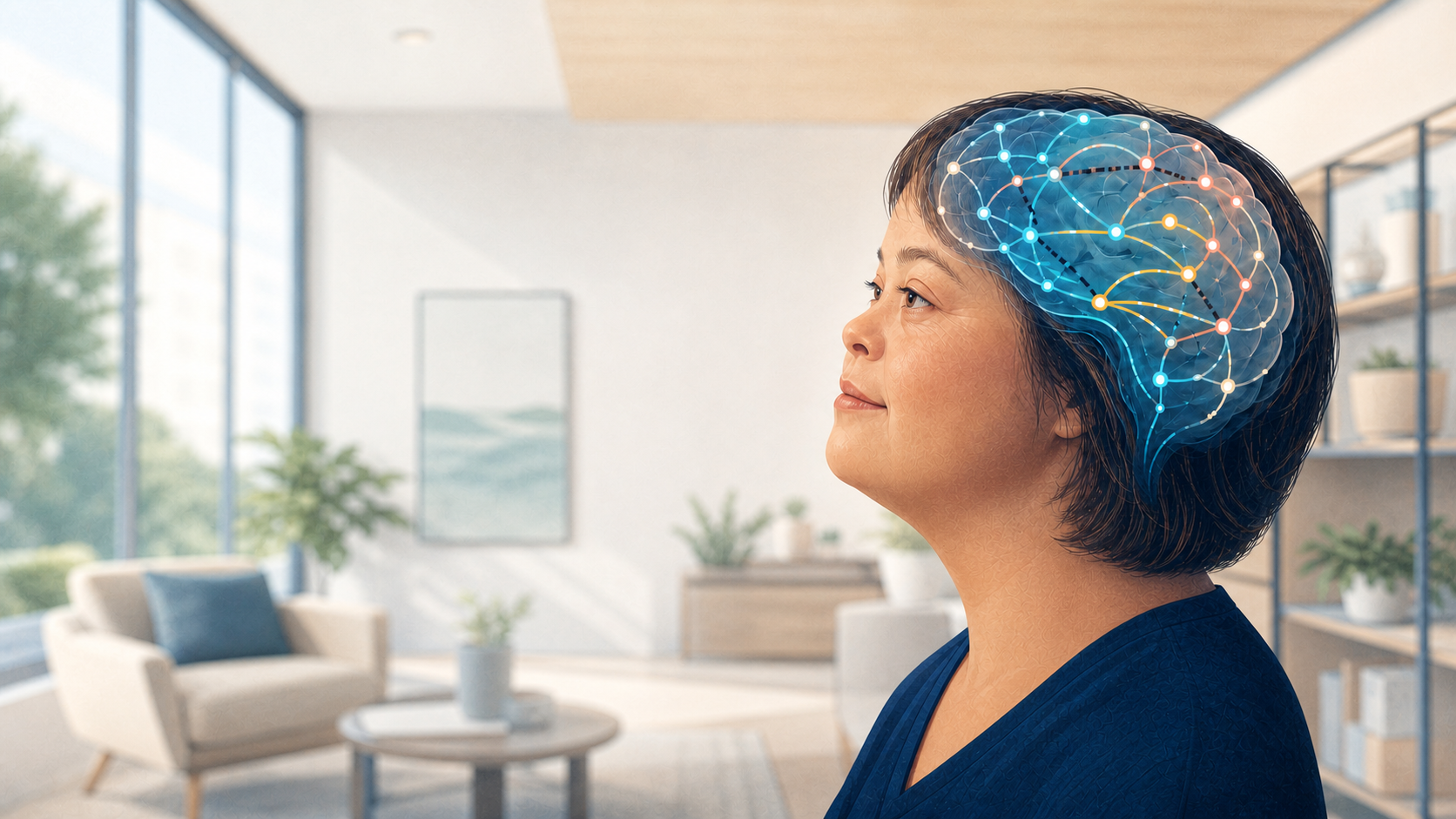
What might cause it?
An acquired brain injury can come from many different events. It is not caused by something a person did wrong.
- A bump, blow, or jolt to the head
- A stroke
- An infection like meningitis
- A time without enough oxygen
- A tumor or another medical event
What might change?
A brain injury can affect people in different ways.
- Memory or attention
- Energy and sleep
- Feelings or behavior
- Movement or balance
- Speech and communication
Some changes you cannot see
Not every effect of a brain injury shows on the outside. Tiredness, trouble focusing, headaches, or strong feelings are real—even when other people cannot see them.
Recovery is personal
Some changes improve. Some last longer. Rest, rehabilitation, routines, tools, and support can help.
Things that can help day to day
Simple supports can make daily life easier while healing.
- Rest and steady sleep
- One task at a time, with breaks
- Notes, alarms, or reminders
- Calm spaces with less noise and light
- A trusted person to help plan and remember
Ways to support someone
Small, patient choices help a person feel included.
- Give extra time to answer
- Use short, clear sentences
- Lower noise and distractions
- Ask what help they want before helping
You are still you
A brain injury may change parts of daily life, but it does not take away your rights, relationships, preferences, or value.
Learn more from an official source: CDC: Traumatic Brain Injury & Concussion ↗